



Early humans used animal fur to make warm and warm clothing and sleeping mats, including the Eskimo people living near the Arctic. In the early 19th century, explorers and mountaineers began testing different sleeping bag systems. Early sleeping bags were filled with camel hair with excellent thermal insulation, and later hollow rubber air cushions were invented and used for polar exploration on Earth in the 1820s. In 1861, Francis Fox Tuckett tested the first prototype of an Alpine sleeping bag, and in the mid-1960s, the envelope style sleeping blanket design began to become perfect, with a hollow rubber coating as the thermal insulation layer near the ground.
Due to its excellent thermal insulation performance, down was widely used for mattress filling in the early 19th century. During the Victorian era in England, women even filled their skirts with down to keep warm and warm. However, the treatment and use of down technology only began to develop in the mid-19th century. The earliest recorded down sleeping bag was used by the ALFRED MUMMERY expedition team in the UK in 1892, developed from the prototype of the sleeping bag of the Alps Climbing Club, And it is manufactured by a British furniture company, but this is not the true production of commercial sleeping bags. In 1890, the Norwegian company ajungilak began commercial production of sleeping bags, and during this period, sleeping bags were filled with kapok. Until the 19th century, sleeping bags were special products, but due to the constantly developing demand for outdoor products, more companies began to design and produce sleeping bags. Based on the rise of Himalayan exploration activities and mountaineering, the design and production of sleeping bags began to develop and improve in the 19th century. At this time, mummy style sleeping bags that could tightly wrap the body were born, and British mountaineers also successfully climbed Mount Everest with these sleeping bags. After the Industrial Revolution, due to the development of manufacturing and chemical industries, synthetic fibers began to be produced in large quantities. Due to their excellent thermal insulation properties, synthetic fibers were also widely used in the production of sleeping bags.
In the 19th century, hiking and camping became popular in Europe, and the demand for outdoor equipment gradually increased. Sleeping bags have become a commercial product, and manufacturers have begun to label them for customers to choose according to their own needs when purchasing. At the beginning, the temperature scale marked was very simple, with only summer, three seasons, and winter being used for differentiation. This differentiation method is relatively rough, and can only be selected based on the approximate usage temperature. Later, some brands of sleeping bags began to give two temperature scale values: comfortable temperature and extreme temperature.
For many years, the temperature scale of sleeping bags has formed many different classification standards, each with supporters and opponents, and the testing methods of these standards have been developed and improved by scientists from countries such as the UK, France, Germany, Norway, the United States, and Switzerland.
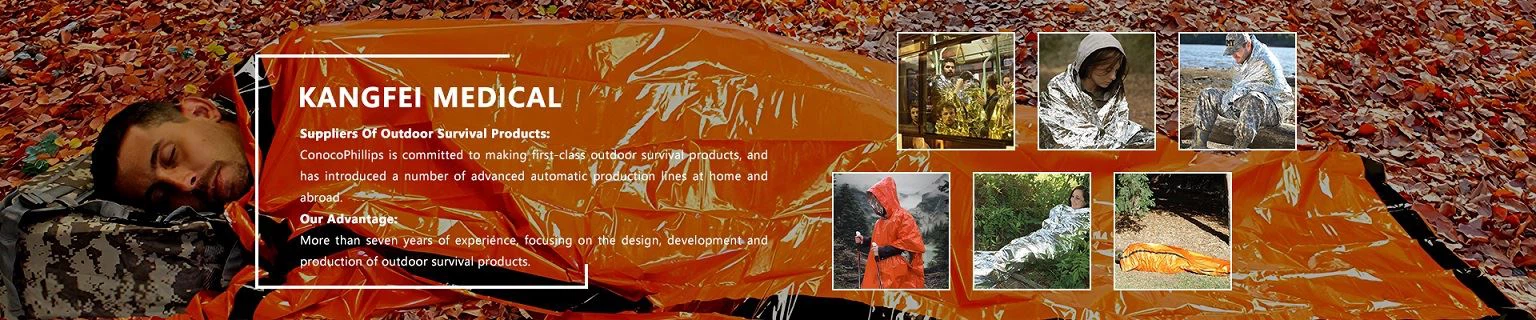
The development process of sleeping bags
Aug 15, 2023 Leave a message
Send Inquiry