

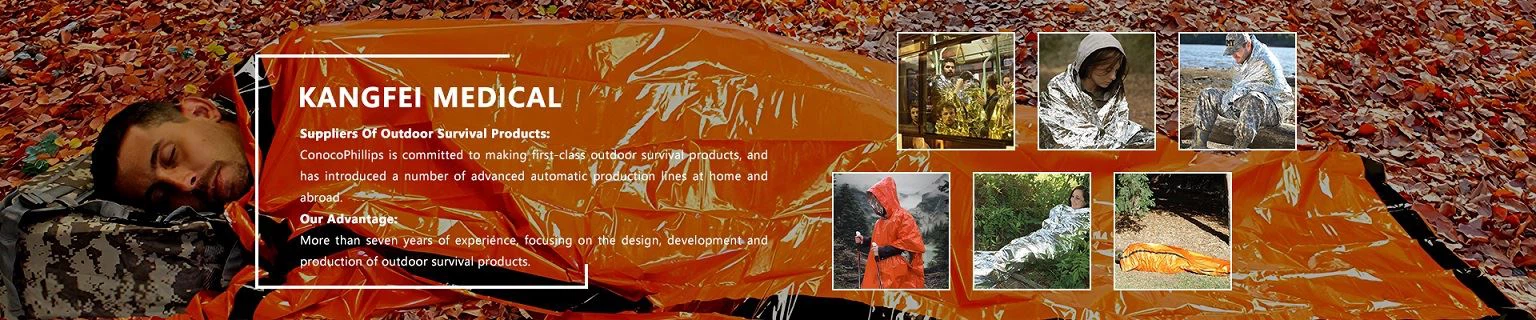

An emergency raincoat is a lightweight, versatile protective equipment widely used in outdoor activities, emergency rescue and daily life. The correct wearing of an emergency raincoat can not only effectively resist rain, but also provide necessary protection in a variety of harsh environments. The following is the correct way to wear an emergency raincoat:
1. Preparation
- Check the raincoat: Before use, check the quality and integrity of the raincoat to ensure that there is no damage or leakage.
- Choose a suitable location: Try to wear the raincoat in a dry place to avoid further wetting of the clothes by rain.
2. Wearing steps
- Unfold the raincoat: Spread the raincoat flat on the ground or on the table, making sure it is fully unfolded without folding or twisting.
- Put on the raincoat: Align the collar of the raincoat with the neck and put it on from the head. Make sure the front and back of the raincoat cover the body correctly.
- Adjust the position: Arrange the front and back of the raincoat to ensure that all parts of the body are covered. Pay special attention to the hem of the raincoat to completely cover the legs to prevent rain from wetting the pants and shoes.
- Fasten the straps: Generally speaking, a raincoat will have straps at the collar, waist and cuffs. Fasten them but not too tight to avoid affecting blood circulation and flexibility.
3. Additional accessories
- Wear a helmet: If you need to wear a helmet, you can put it on after wearing the raincoat, or choose a raincoat with a helmet-compatible design.
- Use rain pants: When the rain is heavy, you can use rain pants to provide more comprehensive protection.
4. Precautions
- Keep a clear view: Choose a raincoat with high transparency to ensure that you can clearly see the road and traffic conditions ahead in the rain.
- Pay attention to safety: When riding or walking, pay attention to the slippery road surface in rainy days, slow down and avoid accidents.
- Avoid sharp objects: During use, avoid sharp objects from scratching the raincoat, which will affect its protective effect.
5. Care and maintenance
- Cleaning: After use, remove the dirt and stains on the surface in time, and wash it with clean water or mild detergent.
- Drying: After washing, the rain cape should be placed in a cool and ventilated place to dry, avoiding direct sunlight and high temperature environment.
- Storage: When storing, it should be folded neatly and avoid heavy pressure. You can put mothballs in the box to prevent sticking.
Through the above steps, you can wear the emergency rain cape correctly to ensure effective protection in rainy days or bad weather conditions. Whether it is outdoor adventure or daily life, it is a wise choice to have a high-quality emergency rain cape.