

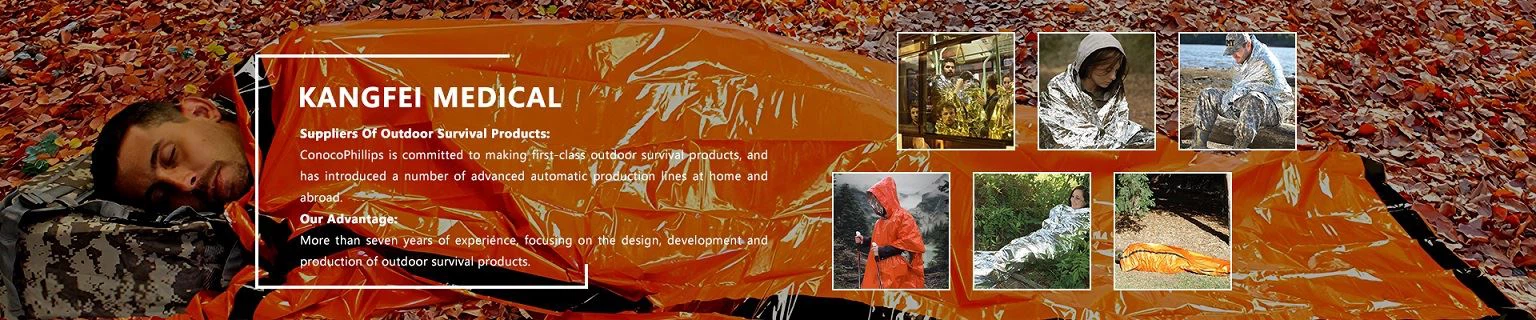

Emergency blankets can reflect up to 90% of body heat, which does sound quite effective, and they're waterproof and windproof, which adds a lot of value in a pinch. However, there are some issues with emergency blankets that may reduce their effectiveness.
Firstly, they come in different sizes and you need to make sure yours is enough to cover your body completely. Second, your basic emergency blanket usually comes in the form of a simple blanket, although they do come in a camper-style design these days. This means they don't zip to keep out the cold. You can help by wrapping yourself in it like a burrito, but it won't seal as cold as something like a sleeping bag. Finally, they're not particularly sturdy-they have a short shelf life and degrade easily, which means if you've been carrying one around for a few years and then disaster strikes, it might not be as effective as you'd hoped.
If that's all you have, an emergency blanket will provide you with some warmth until you reach safety, but for prolonged exposure, it's actually most effective when used in conjunction with other emergency gear. For example, you can use it to line your emergency bivvy or sleeping bag, or place it under you, foil side up, to act as a ground mat when you're curled up inside your bivvy or sleeping bag. You can also use it to make an emergency shelter if all you really need is moisture protection.