

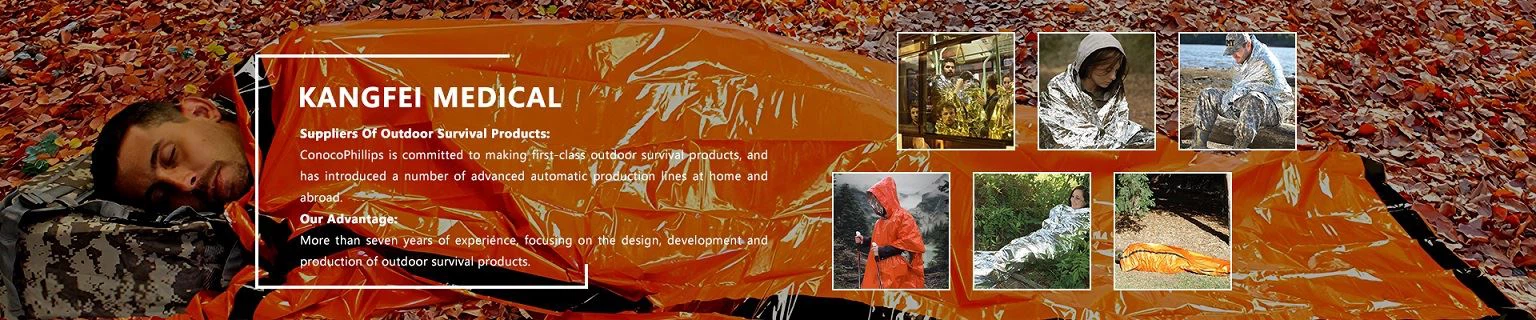


Sleeping bags are an essential piece of gear for outdoor enthusiasts, hikers, campers, and emergency responders. They provide warmth, comfort, and protection against the elements during outdoor activities or emergencies. One important feature that many people look for in a sleeping bag is its water resistance or waterproofing.
Waterproof sleeping bags are designed to prevent water from penetrating the fabric and reaching the inner layers, which can cause discomfort, reduce insulation, and increase the risk of hypothermia. There are several ways to achieve waterproofing in sleeping bags, including using waterproof fabrics, applying waterproof coatings or treatments, and incorporating waterproof designs and features.
One common method for making sleeping bags waterproof is to use waterproof fabrics such as nylon, polyester, or Gore-Tex. These fabrics are treated with a waterproof coating or laminate that prevents water from passing through the fabric while still allowing air to circulate. Some sleeping bags also feature a waterproof bottom or shell to provide additional protection against wet ground or rain.
Another way to enhance the waterproofing of sleeping bags is to apply waterproof coatings or treatments to the fabric. These coatings are usually made of silicone, polyurethane, or other waterproofing agents that create a barrier against water. Some sleeping bags come pre-treated with these coatings, while others can be treated at home using waterproofing sprays or washes.
In addition to using waterproof fabrics and coatings, some sleeping bags are designed with waterproof features such as sealed seams, waterproof zippers, and hooded designs that prevent water from entering the bag. These features can provide extra protection in wet conditions and ensure that the sleeping bag remains dry and comfortable throughout the night.
Overall, waterproof sleeping bags are a valuable asset for anyone who spends time outdoors, whether for recreation, adventure, or emergency situations. They offer peace of mind and protection against the unpredictable weather conditions that can occur in the wilderness. When choosing a waterproof sleeping bag, it is important to consider factors such as the type of waterproofing used, the level of breathability and ventilation, the weight and packability of the bag, and the overall durability and performance of the product.